

The Joy of Real Community Impact: Gastonia City Manager Michael Peoples in Profile
Q3 2026 | Vol. 76, Issue 3
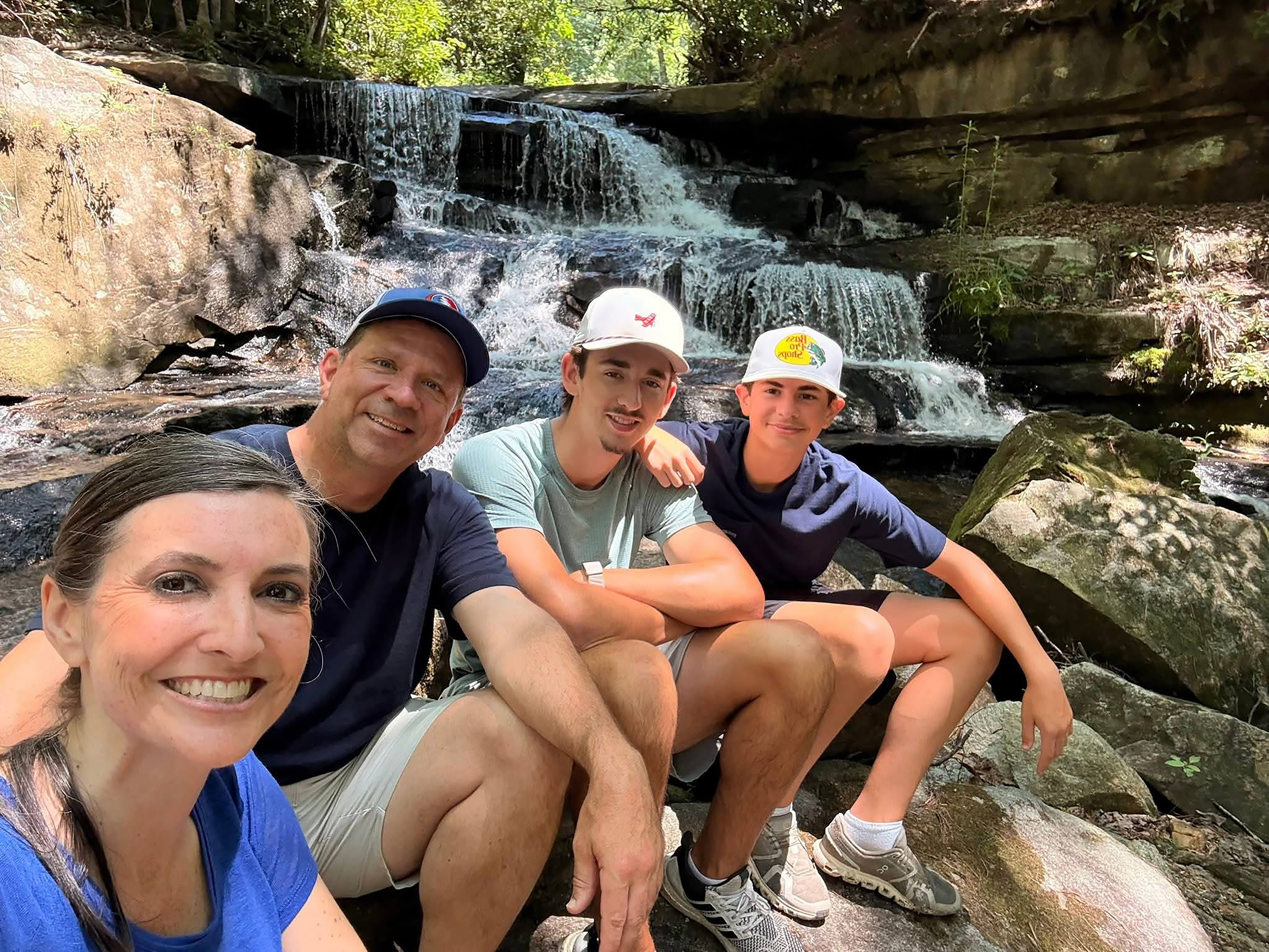
For Michael Peoples and his family, the summer road trip isn’t only about the destination, or the quickest route there. In fact, some of it is about home.
“They know I don’t stay on the bypass,” Peoples said of his wife and two children during vacation drives. “I go into the business districts; I go into downtowns. I’m looking at things that are happening around me, getting examples of best practices and things that work well and bringing them back, if it makes sense, to my community.”
The whole family participates, he added; they’ll point out cool, striking, useful or fun features around the different, distant towns they pass through. Stuff they might like to see in their own city of Gastonia. It’s not just window-shopping or a dreaming game; Peoples is Gastonia’s city manager, and he said the big pleasure of the job is seeing people enjoy what they create in their community. “I learn more about it that wa —seeing it and living it—than I do reading about it. I want togo there and see it in practice,” he said.
A neighbor of Charlotte, Gastonia is in one of the fastest-growing metro areas nationally, with about 87,000 residents in city limits today. Peoples’ job isn’t just thinking about what’s there for the current population, but for the future’s as well, and he said the main reason he entered the profession more than 25 years ago was the ability to help create tangible positives for the people of his community. “Things you know that you can impact visually on a day-to-day basis,” he said.

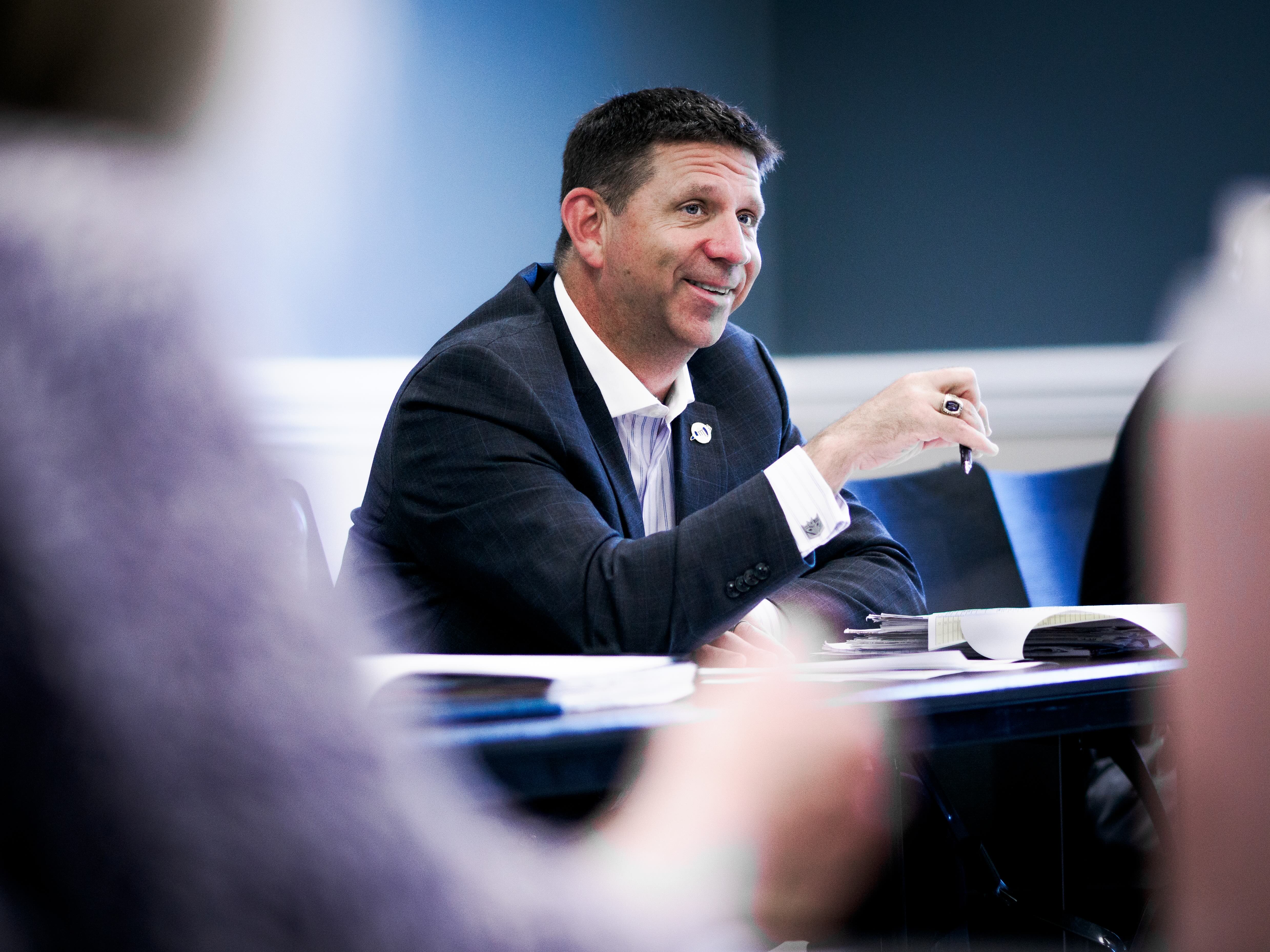
Peoples is currently serving his second term on the League’s Board of Directors, comprised of a diverse group of municipal staff and elected officials from across the state to lead the League’s work for a better North Carolina. Southern City visited recently at his office in the venerable Gastonia City Hall (built 100 years ago when the population was shy of 13,000) to learn more about his approach to the role and why it matters to him.
He began developing it in school, first at Western Carolina University, where he graduated in 1998 with a bachelor’s degree in political science, and then at Appalachian State University in 2000 with a master’s
degree in public administration. Right out of school, that same year, he joined the field, serving for five years as town administrator of Grifton before moving to the role of city manager of Cramerton. He was in that position for 10 years before coming on as director of enterprise services with the City of Gastonia. He was appointed city manager there two years later, in 2017.
Peoples noted the jump in jurisdiction size in moving from the job in Cramerton (population about 5,000 at the time) and said his career path was a great way to connect with what municipalities do. “In Cramerton, you did a little bit of everything,” he explained— planning and zoning, finance, code enforcement—directly overseeing things for which larger cities might have separate, specific departments and directors. “You had to do a little bit of all of it. It’s a good training ground, a small town is, for anybody who aspires to be a manager of a larger jurisdiction, because then you’re exposed to all those different things.”
Gastonia has 15 different departments responsible for an array of services and offerings, from a city-owned museum to solid waste management to public safety to electricity to economic development to planning to parks and more. “It’s all over the place,” Peoples said. “It’s different because you have so many different things. Which makes it interesting. ... That’s what keeps it fun.”
When asked where it started for him, Peoples said politics interested him at a young age, during the Reagan presidency, and a fascination with history paired well with that. His father worked for an electric co-op and served in the chamber of commerce and with civic clubs, which exposed Peoples to the general environment of community and organization. During his undergraduate years, he wasn’t sure exactly how he would translate his studies into a work-life; however, his time at Appalachian State helped Peoples solidify a desire to work in public administration, where he could see solid, local results.
“It really did open up to be the best opportunity to actually make a difference in a shorter amount of time,” said Peoples.
But the nature of the job can keep him up at night, too.
“I think a lot about what could happen,” he said, noting the need to stay ahead and ready for the possibilities and challenges. “Most managers will think about being in the news for not being prepared for something, always trying to think of what could be … but that’s part of your job, to think about the what-if and trying to be prepared for it.”
Part of the preparedness is in the shared wisdom of municipal managers who come together for association meetings. (Peoples is a past president of the NC City and County Management Association.)
Keeping up with water and wastewater capacity is another and is a good example of the kind of vital work city managers like Peoples oversee that the public doesn’t tend to categorize in the same way as parks or museums. Solid waste management, too. “Often overlooked,” he said. “I don’t know of a manager who doesn’t think about solid waste, because it’s important, and people certainly rely on it every single week.”
The less-glamorous stuff is essential, though, and Peoples emphasized the credit that municipal staffers of all varieties should receive for their value to the community. He said he’s always trying to help folks appreciate “the why” of their work.
To assist with that among city staff, Peoples said their human resources department, about a year ago, brought on an employee engagement leader who conducts trainings and creates awareness between different departments. “We talk about ‘the why’ a lot, instead of just ‘do,’” said Peoples, who also issues a weekly newsletter to all staff citywide to keep that rhythm of awareness. He includes his daily meeting schedule in that newsletter.
Beyond city hall, Peoples and the other 12 municipal managers in Gaston County get together monthly for mutual transparency and sharing of updates. “I have a lot of meetings,” he said with a laugh. “If I’m not in meetings, I’m scheduling meetings.”
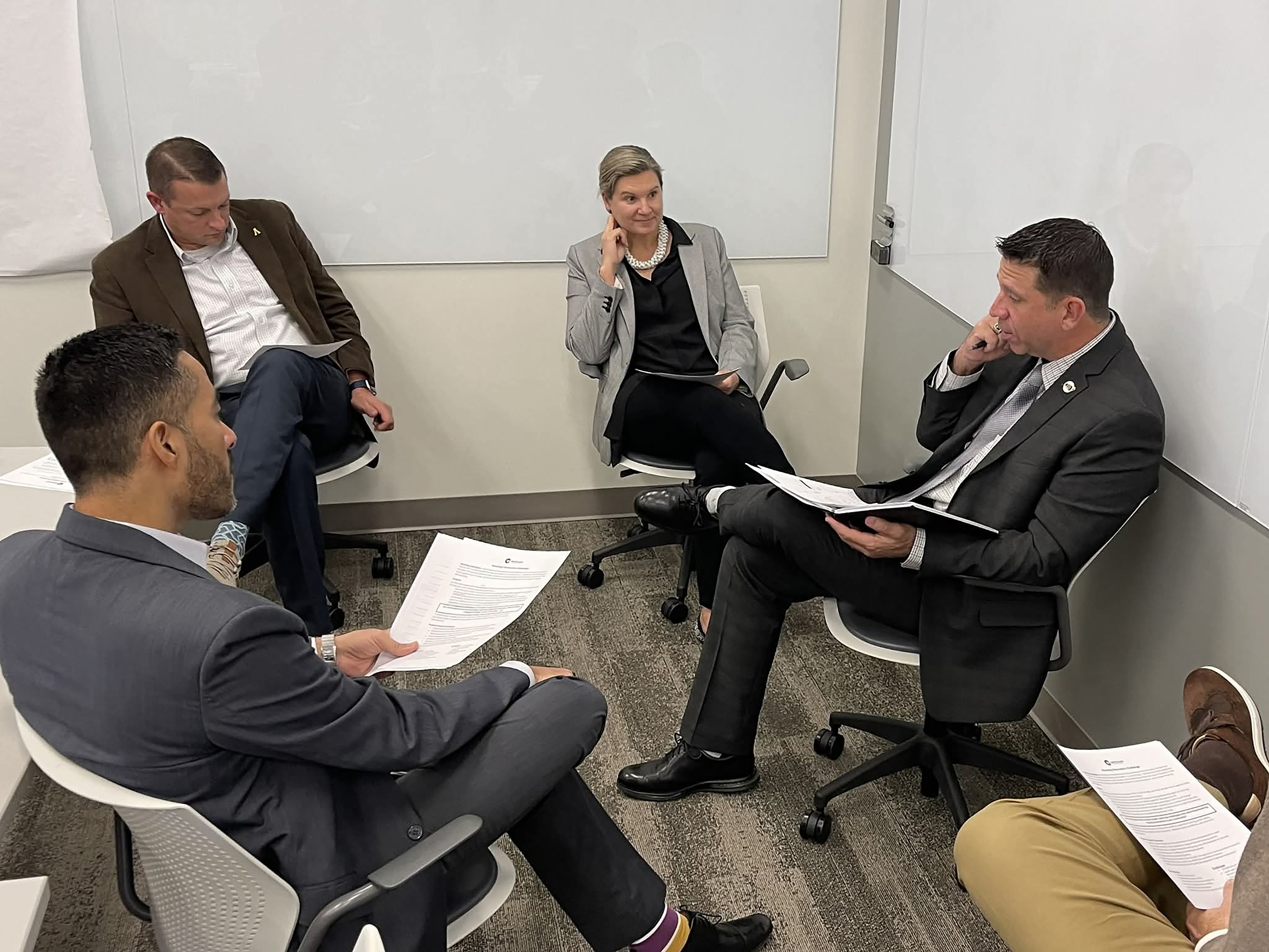
After the interview in Peoples’ office, Southern City accompanied him to a roundtable meeting where he would hear updates from staff leads on local transportation projects funded by a bond package that Gastonia voters approved a few years ago. The roundtable included young interns pursuing public administration or related careers.
When the meetings are done and it’s time to turn off the computer, the amenities that Peoples helped to make or maintain in Gastonia—with credit he gives to city staff, who brought it all together—are something to enjoy, Peoples said when asked how he unwinds. For one, he pointed to the offerings of a recently opened city senior center— it has a Golden Tee golf game and billiards he can play with the center’s other visitors. “It’s so new I haven’t really done it as much as I’d like to,” he said of the senior center, “but certainly also going out to our parks and seeing people enjoy it while walking. I love nature, I love being outside. But it brings an extra level of joy seeing others out there enjoying things that you had something to do with.”
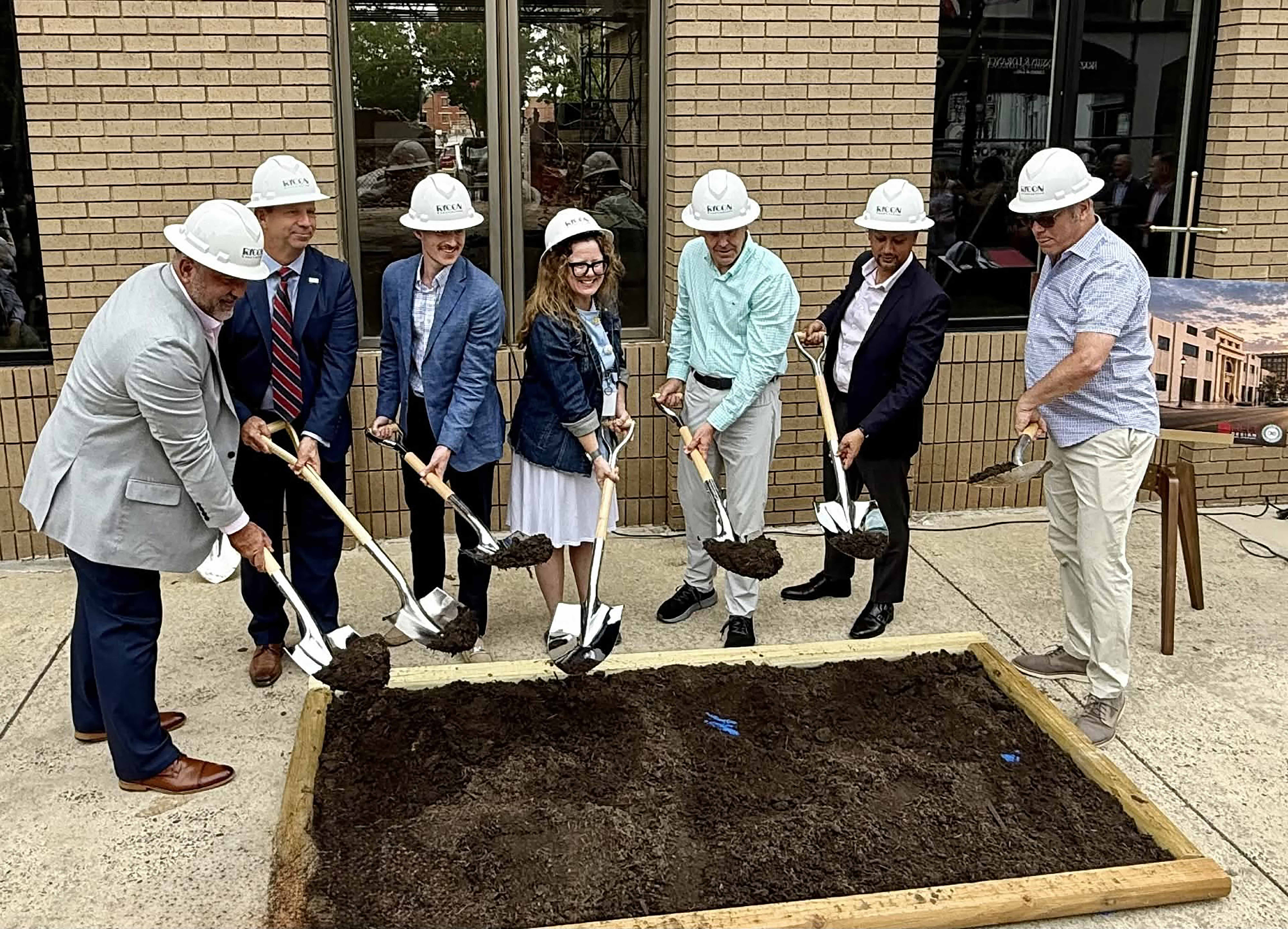
That’s soon to include the creation of Linwood Springs Park, on former golf course land that had come under the state’s ownership and is on long-term lease to Gastonia. Live music and other community uses are in the plan. “This project brings our mission to life—enhancing quality of life through smart, responsive and cost effective services. Transforming the golf course into a public park is a lasting investment in wellness, community and outdoor access for all,” Peoples stated in a press release about the project, supported by various grants to the city.
Gastonia also recently updated its comprehensive plan and is updating its unified development ordinance, both with lots of community involvement. Its police department is also working with a new real time crime center, “embracing technology to assist officers in the field,” Peoples said. “That’s really been beneficial and hopefully will prove to be even more so as we get further along in that. In electric, we’ve increased the size of the system and improved the reliability.” The list went on, with explanations of “the why.”

About the author
Ben Brown
Communications & Multimedia Strategist
Supports the League’s communication strategies as the in-house multimedia producer dedicated to improving awareness of membership services, advocacy campaigns, and organizational goals.
