

The Evolution of MAS
Q3 2026 | Vol. 76, Issue 3
The League’s Municipal Accounting Services program began in September 2022 as part of a broader initiative to expand support for cities and towns across the state. With temporary funding available to invest in local government capacity, the League took a strategic look at where communities needed the most help.
What emerged was a clear and consistent set of priorities: strengthening financial operations, supporting grant compliance, addressing legal questions and improving cybersecurity readiness. To meet those needs, the League introduced a range of service lines designed to provide hands-on guidance and strengthen local capacity where it mattered most.
As the MAS program evolved alongside the communities it serves, financial assistance emerged as its primary focus. What originally began as a service assisting members in implementing upgraded accounting software gradually transitioned into the broader Municipal Accounting Services program, bringing together accounting support, grant assistance, legal guidance, cybersecurity resources, and technical expertise under a single umbrella. Along with this evolution in services, our team has looked for ways to continue to meet towns where they are, rather than requiring them to fit into a particular mold.
Building Strong Financial Foundations
MAS began as a software conversion program, helping towns transition their financial operations from outdated or limited systems to a platform designed specifically for local government financial management. Alongside the software migration, towns received hands-on support from League staff and Black Mountain Software representatives to help strengthen financial processes and build confidence among staff.
The Town of Castalia in Nash County finished the software conversion in May 2025. Town clerk Tracy Shearin said that while the software itself helped the town get caught up on its financial records, the support and instruction provided through the program had the greatest impact.
“I love that they are teaching me why, not just how,” Shearin said. “To benefit from the knowledge of people who understand local government accounting and have the ability to help you understand it benefits everybody. I feel confident in what I'm doing because I have confidence in who's helping me learn it.”
As more communities participated, the MAS team discovered that many towns were looking for that same mentorship and support but did not necessarily need new software. In response, the League launched the Accounting Instruction & Mentorship (AIM) program.
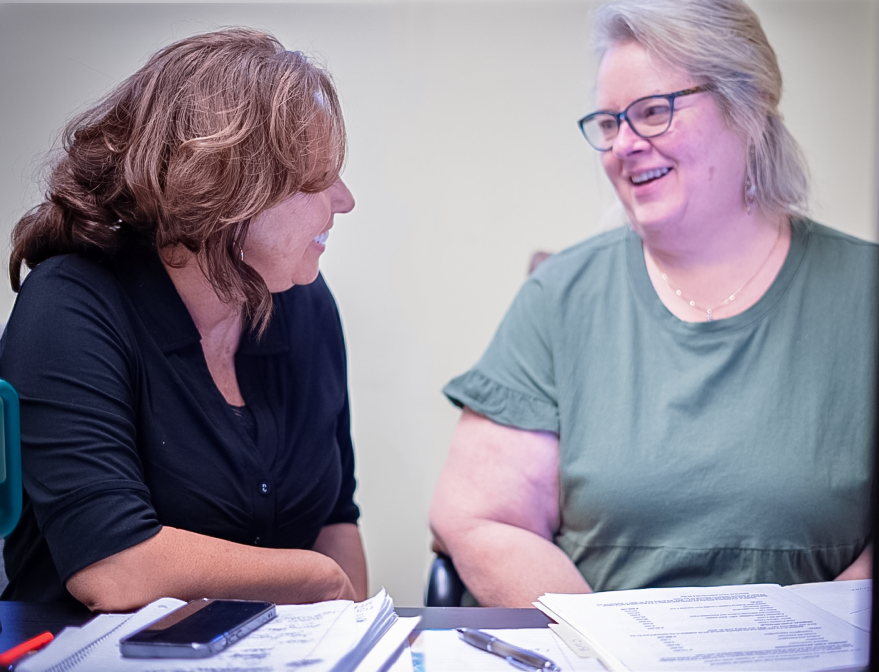
Through AIM, town staff work one-on-one with an accounting mentor using the League's 12-chapter AIM Manual, which covers the day-to-day responsibilities of local government finance officers. The program also helps communities address bookkeeping challenges, prepare for audits and navigate complex financial questions.
At its core, AIM provides something many small towns need most—a trusted resource to call when questions arise.

Modernizing Municipal Operations
As the program evolved, additional challenges came into focus. Many towns were relying on aging software systems that created inefficiencies and required employees to develop workarounds to complete routine tasks. April Alligood, town clerk in Washington Park, described how the town's current software requires her to work across multiple programs and create manual processes to meet her day-to-day needs.
“I came up with an Excel spreadsheet that tracks all of our expenses, our payroll, ... but it doesn't interact with our current software," Alligood said. “The fact that Southern Software has a payroll packaging with it that's included excites me because it keeps it all together and easier to utilize.”
To help address those concerns, MAS is now offering software upgrades to invited towns, moving systems to modern cloud-based platforms that improve accessibility, support, and long-term reliability.
Beyond providing upgraded software, the transition to a cloud-based system will give towns faster access to technical support. League and software support representatives will be able to troubleshoot issues remotely, reducing the need for onsite visits and helping communities get assistance more quickly. For rural towns, this means expert support can be available without the delays and travel costs often associated with in-person service.
Protecting Critical Systems
As MAS staff worked with towns on software conversions and accounting support, they uncovered another common challenge: many communities lacked the technology infrastructure and cybersecurity protections needed to support their operations.
What began with helping towns obtain updated equipment soon expanded to include cybersecurity assessments, gap analyses and recommendations tailored to each community's needs. The League's cyber field technician, Josh Landry, shares that as the program evolved, the team found that many towns also lacked basic protections such as firewalls, secure backups and reliable IT support.
Through a partnership with VC3, MAS now helps towns strengthen their cybersecurity through services such as firewall protection, endpoint detection, secure data backups and .gov email migration. Participating towns also gain access to 24/7 technical support and cybersecurity expertise.
“If you don’t have IT and you have a cyberattack, it gets really difficult, because jumping on it quickly and having people who know what to do is very important,” Landry said. “If you don’t have that, you can almost count it in dollars—the time between when the attack happens, when you see it, and when you figure out what to do.”
Looking Ahead
Since its inception, MAS has expanded from a software conversion initiative into a multifaceted support program for local governments. Whether helping towns strengthen financial processes, modernize technology, or improve cybersecurity, the program continues to evolve alongside the communities it serves.
As new needs emerge, the goal remains the same: providing practical, hands-on support that helps local governments navigate longstanding challenges, thrive in the present and build capacity for what’s ahead.

About the author
Stephanie Hughes
Communications & Multimedia Strategist - ARP
Supports the League’s communication strategies as to improving awareness of the American Rescue Plan.
