

Property Tax Restrictions? Cities Share Important Context as Lawmakers Discuss
Q2 2026 | Vol. 76, Issue 2
Police, fire protection, critical infrastructure, parks and recreation, safe lighting, sidewalks, necessary maintenance—just a few primary components of communities made possible with local property tax revenue. That revenue is based on an ad valorem rate set by the local government annually through its budget process, governed by statute with ample opportunity for public input before approval from locally elected leaders. In short, the property tax is how municipalities fund essentials. It’s also the only substantial option they directly control.
The League and its member cities and towns have been at work spreading awareness of and education about this vital system as some state lawmakers have eyed it for changes.
At the time of this writing, one proposal among others in circulation would prescribe limits on local property taxation in the state constitution. “The General Assembly shall enact general laws limiting the amount by which the levy of taxes on property may increase, which may include exceptions,” stated in a draft bill that surfaced in March. (The legislature can’t amend the state’s constitution on its own; North Carolina voters would have to give majority approval at the polls first.)
This and other ideas came out of a 29-member legislative panel called the House Select Committee on Property Tax Reduction and Reform that has been meeting since late 2025 in preparation for this year’s legislative short-session. A Senate working group exists with a similar subject matter focus, but at the time of this writing it was uncertain what proposals they might have in discussion; Senate Leader Phil Berger has spoken about a property-revaluation moratorium or changes to revaluation schedules.
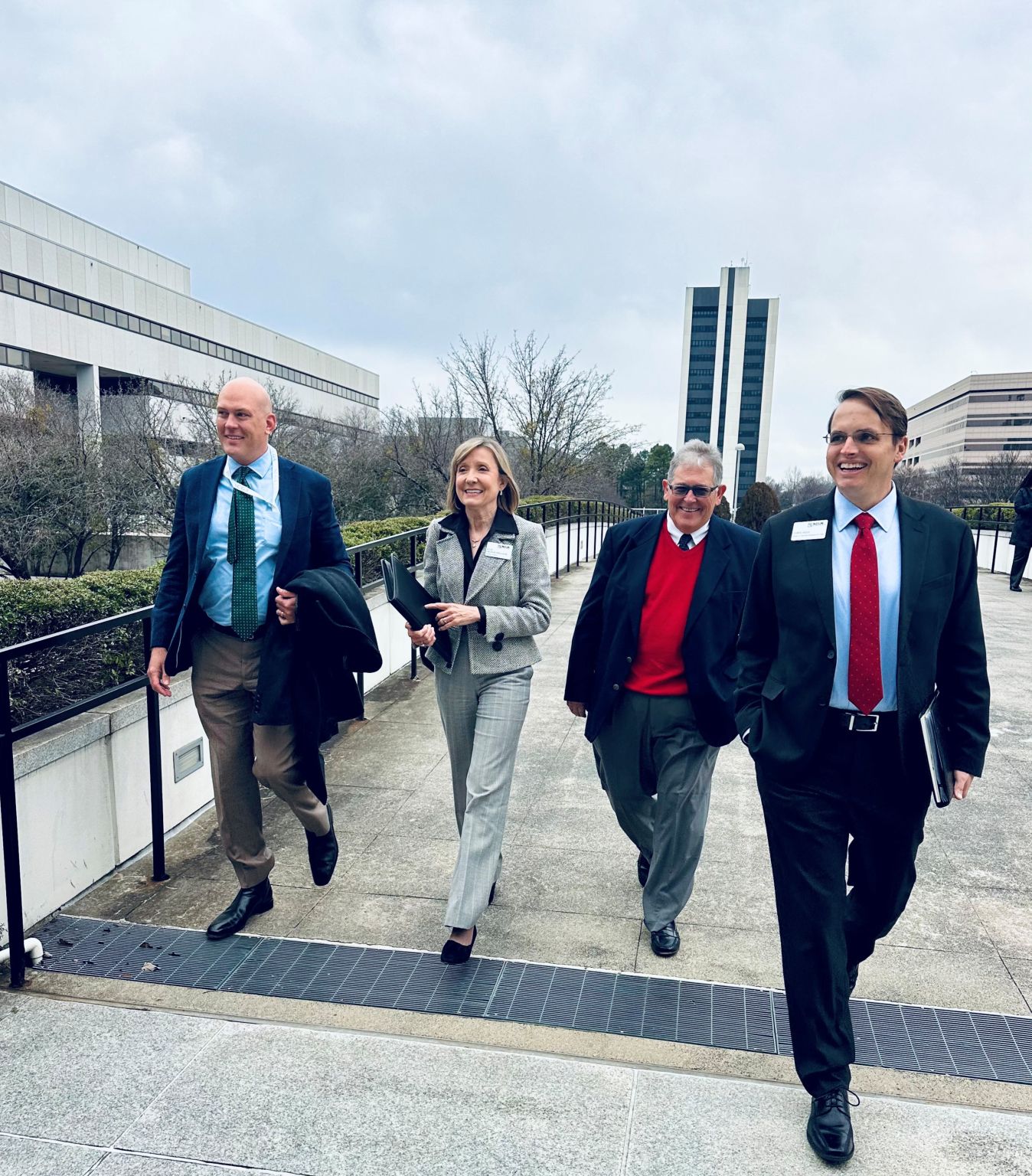
The League, local governments across the state and other groups are highlighting how crucial property tax is for the communities that make a prosperous North Carolina.
Proponents of changes or restrictions have highlighted the many rising costs of living and housing for everyday people, including those on fixed incomes and retirees, factors that League Past President Martha Sue Hall, the mayor pro tem of Albemarle, acknowledged in a recent letter to legislators. But local governments also face challenges in funding services that residents and businesses rely upon, she said.
“The mayors and council members who represent the residents of the state’s 550 cities and towns understand the financial pressures felt by retirees and others when property values rise. Our organization appreciates you holding this timely discussion to consider ways to address that challenge.
“At the same time,” Past-President Hall continued, “… cities and towns face their own financial pressures after five years of dramatic inflation, causing increases in the price of goods and services that they rely on. Increasing labor costs and the need to compete for qualified workers has also put more spending pressure on local governments.”
The League has communicated to lawmakers that the limitation proposal wouldn’t give prompt help to fixed-income households or retirees. For those who own homes, increased costs can include property taxes that rise when property values increase—as they have in recent years—due to required (by state law) property re-evaluations. While the ability to lower rates can limit those increases, the rising costs faced by local governments often means that they simply cannot absorb all costs through “revenue neutral” tax rate decreases.
That is why North Carolina law already allows for tax deferment programs or exclusions for elderly and disabled homeowners meeting certain income thresholds. Legislators could increase the exclusions while assisting local governments with subsequent revenue losses. Many other states have done so.
In North Carolina, legislators could give targeted relief to the people who need it, without setting the stage for a broad tax giveaway in the future that will harm the ability of local governments to provide basic services, like police and fire protection.
Public safety spending among cities and towns generally exceeds 40% of their general fund budgets. The state’s larger cities have higher-and-rising public safety expenses to keep their millions of residents safe.
“Those costs include higher salaries for workers like police officers, firefighters, sanitation workers, and building inspectors who are on the ground in communities every day, as well as increased costs for roads and bridges,” a League factsheet noted. “Property taxes are the only substantial sources of funding over which municipalities have direct control. Reductions in this revenue source leave city officials with limited options to fund critical services.” Communities forced to make cuts will be less safe.

About the author
Ben Brown
Communications & Multimedia Strategist
Supports the League’s communication strategies as the in-house multimedia producer dedicated to improving awareness of membership services, advocacy campaigns, and organizational goals.
