

Helping Communities Rebuild Today & Prepare for Tomorrow
Q4 2026 | Vol. 76, Issue 4
When disaster hits, there is the immediate recovery needed to clear debris, reopen roads, and rebuild fallen structures, but there are many other facets of recovery that are easily overlooked in the face of those urgent needs.
Recovery also involves rebuilding administrative capacity, managing grants, navigating federal requirements, planning future projects and balancing those responsibilities against the day-to day demands of local government.
More than two years after Hurricane Helene swept through western North Carolina, recovery efforts remain active. For many municipalities, the most challenging work began after the debris was cleared, as staff shifted focus to the long-term process of recovery. To support towns through this process, the League created its Disaster Recovery team, which is embedded within the communities it serves.
Since its creation in the wake of Hurricane Helene, the League's Disaster Recovery team, all of whom live in western N.C., has connected with every one of the 172 municipalities across 39 counties in the disaster region. Twenty-seven municipalities have received direct recovery assistance, with support currently ongoing in 23 communities. The team has helped towns catch up on financial records, navigate FEMA requirements, strengthen cybersecurity, secure and manage grants, address staffing challenges and develop plans for long-term recovery.
Through the League's disaster recovery service line, municipalities can access specialized support tailored to their unique needs. These services are provided at no cost to participating municipalities through trusted North Carolina-based partners and subject matter experts who work directly with local staff to address recovery challenges.
“Many of our towns have not had to deal with this amount of incoming federal, state and regional grant funding before,” Patricia Cantrell, NCLM's disaster recovery grants administrator, said. “Managing it all can become a full-time job on top of the full-time jobs town staff already has. We're able to provide expertise and technical assistance to help them navigate those responsibilities.”
The impact of that support looks different in every community. Hurricane Helene caused significant damage to the Town of Canton's water and wastewater treatment systems. The town has since secured grant funding not only to restore service capacity but also to build greater resilience against future flooding. Throughout that process, the League has worked alongside town staff and the Southwestern Commission to help manage reporting requirements, meet deadlines and navigate the administrative complexities that come with recovery funding.
“It brings great comfort to see the League and Southwestern Commission working in tandem on behalf of our town, which has been through so much,” Lisa Stinnett, Canton town manager, said. “They bring know-how and connections, but more importantly, practical day-to-day help.”
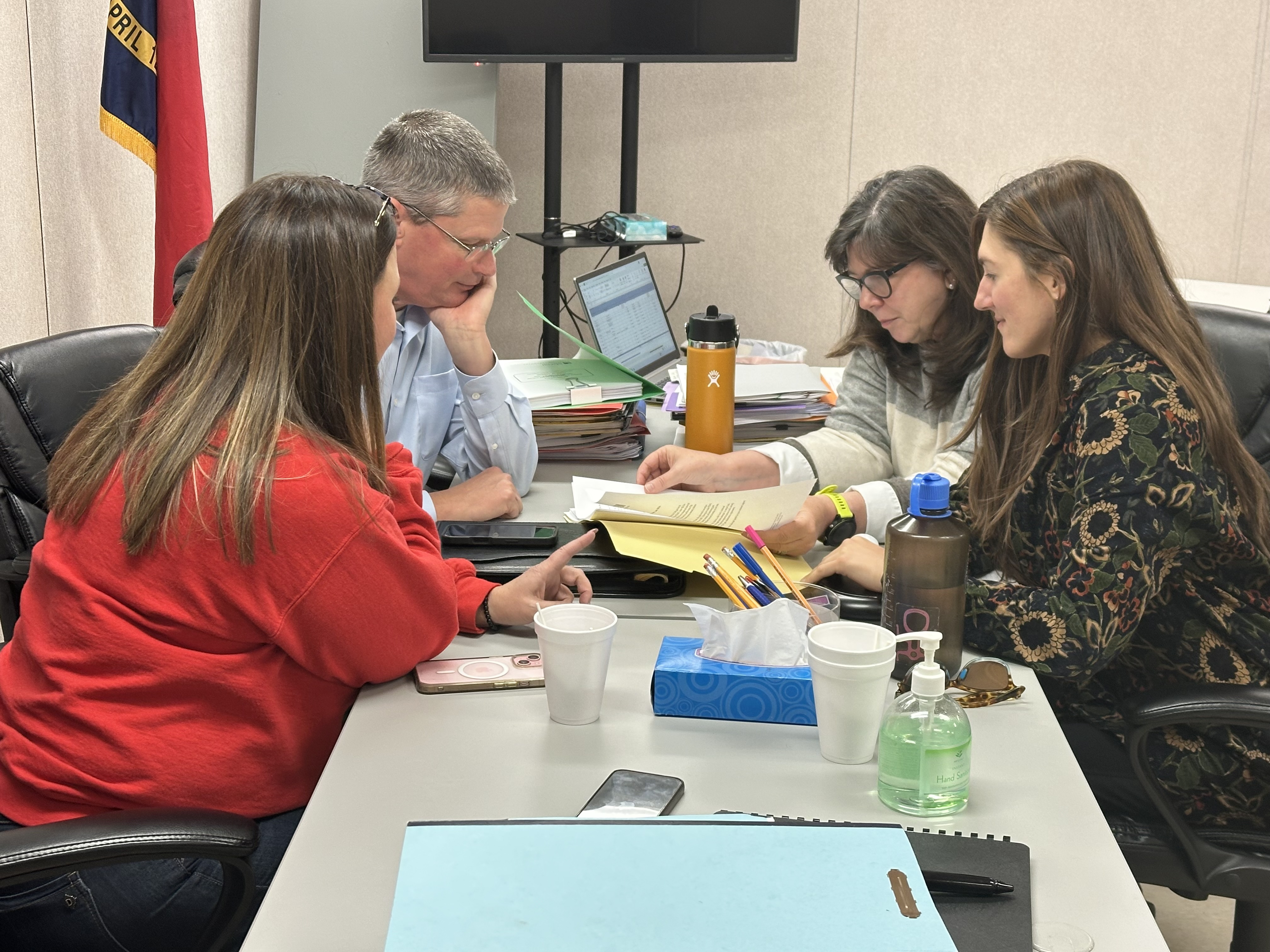
“It brings great comfort to see the League and Southwestern Commission working in tandem on behalf of our town, which has been through so much,” Lisa Stinnett, Canton town manager, said. “They bring know-how and connections, but more importantly, practical day to-day help.”
Providing that kind of hands-on support is central to the team's mission.
“We are there to fill gaps, to bring resources and technical expertise that complement the work that is already going on in our municipalities,” Cantrell said. “Through our staff and contracted partners, we can provide grants management, legal, financial and government policy support at no cost to our towns. It's all about providing practical support. We are present in town halls and become attuned to what the needs are.”
Experiences like those in Canton and other communities have reinforced the importance of having plans, systems and partnerships in place before a disaster occurs. Building on those lessons, the League is now focused not only on recovery assistance, but also on helping municipalities prepare for future disasters.
The League has partnered with Witt O’Brien’s Emergency Management team to produce a new disaster preparedness and recovery starter guide. This guide is designed to be useful both in the immediate aftermath of a disaster and in the years beforehand as communities prepare for future challenges.
This document provides a practical framework to help communities organize recovery efforts, identify priorities, coordinate resources and begin planning for the future. The guide walks local governments through assessing needs and resources, coordinating among recovery partners, transitioning from emergency response to recovery operations, addressing short-term challenges while planning for long-term success, and ultimately identifying opportunities to strengthen resilience and preparedness.

About the author
Stephanie Hughes
Communications & Multimedia Strategist - ARP
Supports the League’s communication strategies as to improving awareness of the American Rescue Plan.
