

Advocate Since Youth
Q4 2026 | Vol. 76, Issue 4
Stormie Forte was long ready for public service.
Indeed, her career life began in the public sector, and that’s well before she made history as the first Black woman on the Raleigh City Council.
But early memories ripple.
“I started my foray into politics when I was in middle school,” she said during an interview with Southern City in September at Raleigh City Hall. She would clarify that her initial awareness of public and elected office went back even earlier, for one with her mother’s work in the state attorney general’s office, an environment that would make an impression on Forte.
She also remembers accompanying her mother to the voting booth during the ’76 presidential election that put Jimmy Carter in the White House with Walter Mondale as vice president.
But her 8th grade experience, at the private Cathedral School in Raleigh, gets the pinpoint. It was the ’84 campaign, Mondale was running for president with Geraldine Ferraro as his running mate, and a young Forte was championing that ticket on a debate team at school. Joined by three classmates, Forte argued the case for Mondale-Ferraro and today looks back with pride in having supported women running for government office.
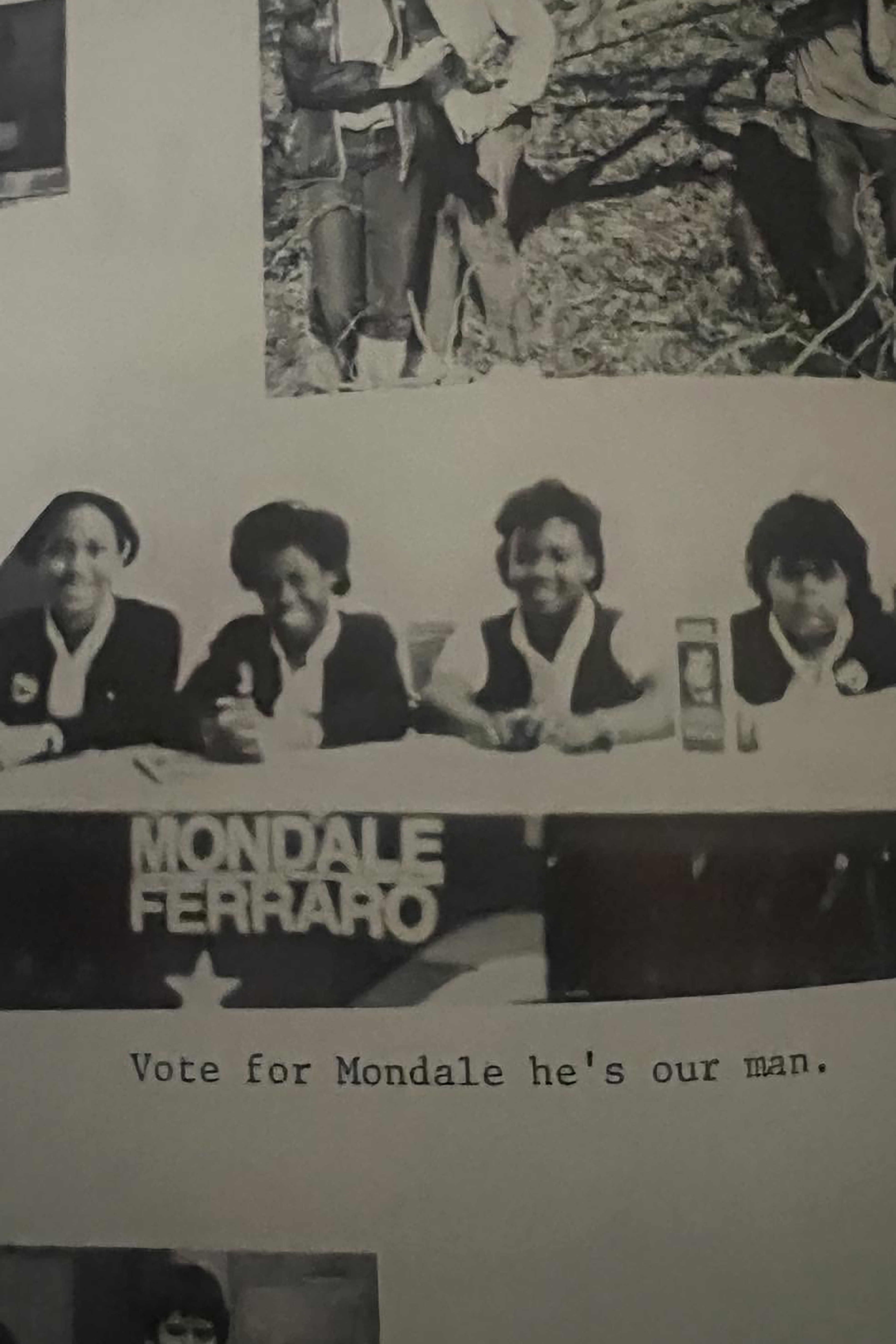
“I think when my mom and I went to vote (in 1976), I just remember her having conversations with folks kind of loosely about politics and I thought it was interesting,” Forte recalled. “I think having the ability to be a debater in the 8th grade and doing all the prep work for it, and being pretty passionate about wanting my side to win, probably sparked a bug in me about not only politics but also going to law school and just kind of enjoying the process of making arguments on behalf of folks.”
After graduating from Broughton High School in Raleigh, she earned bachelor’s and master’s degrees (in sociology; and rehabilitation counseling and psychology, respectively) from UNC Chapel Hill and worked in government roles including at the state’s Department of Corrections and Department of Health and Human Services. She received her law degree from North Carolina Central University before a career that has included service as an assistant attorney general representing the state and as ombudsman for the State Crime Lab. Continuing a throughline of communication and representation, Forte has also worked in the private sector running or partnering in companies that help with individual and business organization, advocacy and goal-achievement. Today, she works for a healthcare company with both for-profit and non-profit functions. She’s also known for a Saturday morning talk radio show, The Art of Listening with Stormie Forte, on 92.1 FM in the Raleigh-Durham area, on which she features influential or inspiring members of the local scene. Forte has also worked on or run electoral campaigns over the years.
And so it didn't seem out of left field that she might eventually serve in hometown elected leadership, herself, now in her third term on Raleigh City Council. But, “I’d never envisioned myself being an elected official; it wasn’t on my bingo card,” Forte said. “The circumstances just opened up for it."
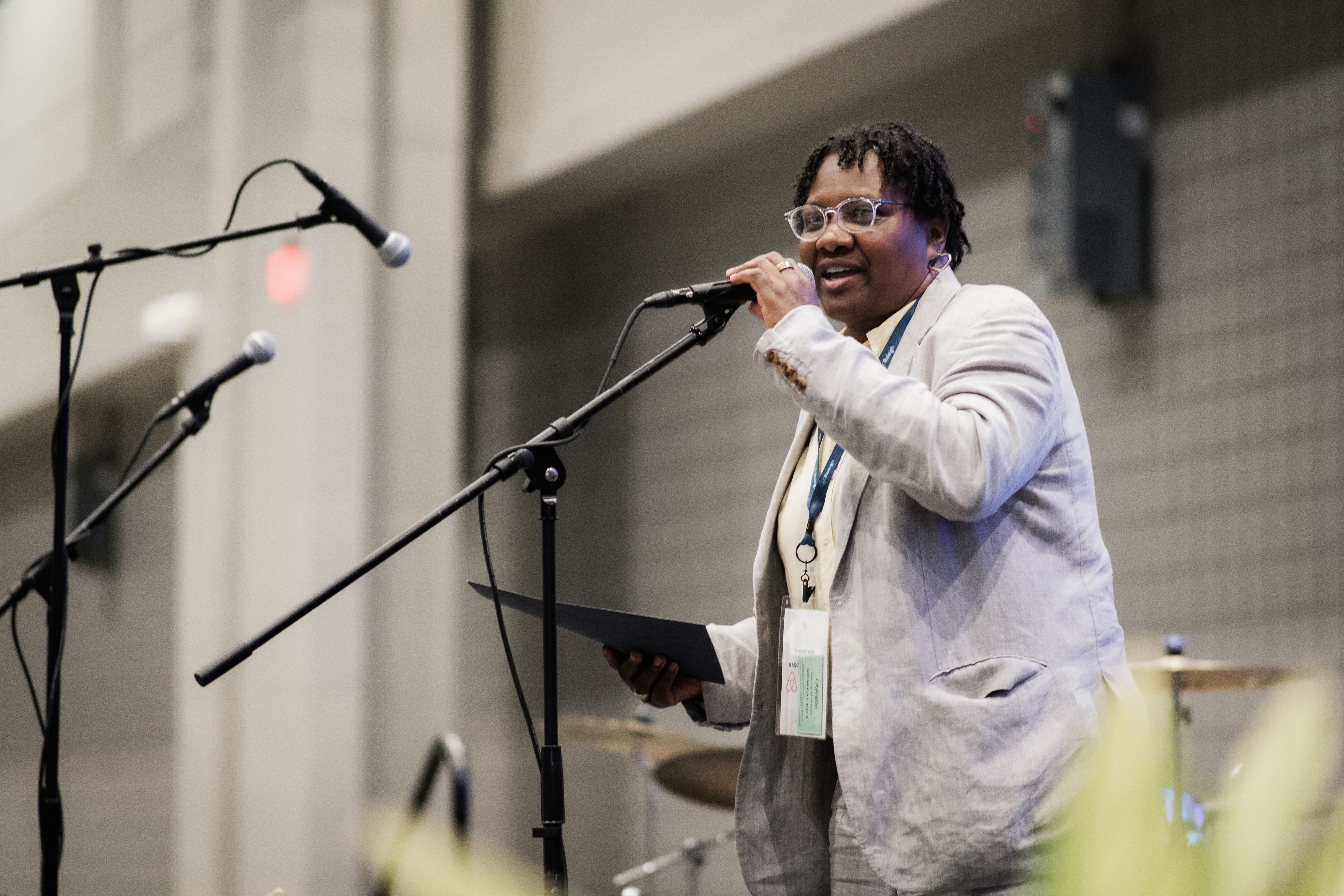
That was in 2020, when a vacancy on the council prompted encouragement from a friend of Forte’s to consider the seat. She remembers her friend highlighting the fact that there’d never been a Black woman on the Raleigh board. Other boards had such representation—Forte noted Monika Johnson-Hostler (then a Wake County Board of Education member and currently a state legislator), Jessica Holmes (who’d been on the Wake County Board of Commissioners and was later appointed to fill an unexpired term as state auditor) and Bridget Wall Lennon (who served on the Wake Forest Board of Commissioners after a career at the N.C. Department of Administration). “Raleigh was the one that had no representation by a Black female,” Forte said of her engagement of the vacancy. “The rest is history, I guess you could say.”
While her appointment to the seat was in the city’s southwest District D, voters kept Forte on council through the 2022, 2024 and 2026 elections in an at-large position.
She told Southern City she took seriously the role of potentially inspiring others to see themselves in the work she does on council and professionally, which calls back to her youth and her mother’s work at the attorney general’s office, where Forte would often hang out after the school day at Cathedral.
“I had the opportunity to meet a lot of attorneys—in particular, there were several Black attorneys that I had a chance to meet … and certainly that planted the seed that I could be a lawyer, because I met lawyers who looked like me,” said Forte.
She noted the experience of scanning city hall’s wall of portraits of past council members. “We’ve always had a good amount of representation of white men, white women, and normally one Black male who would come out of District C. And all those pictures bear that out,” she said. “And since my election, we did have another Black female who served, Mary Black, who served in District A. We currently have three Black members of the council now—myself, Council Member (Corey) Branch and Council Member (Mitchell) Silver, so we’ve had more diversity. The current makeup of our council is five women and three men, and the last iteration of the council was six women and two men, so certainly the patterns of who serves on the council have really changed.”
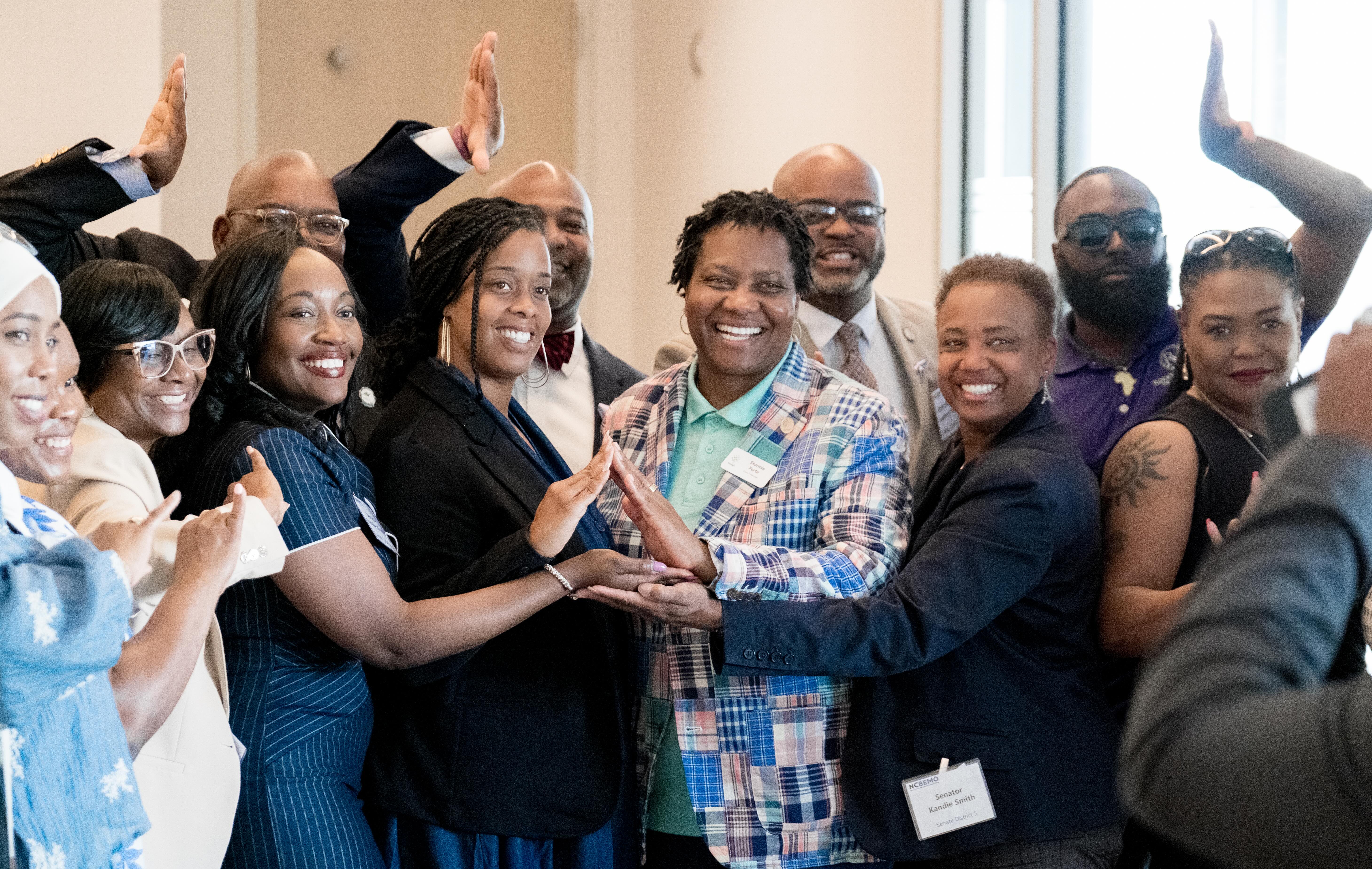
When asked about the dynamics of local office, Forte said she appreciates the proximity and direct availability. “People can reach us on a local level pretty readily and immediately,” she said, adding that involvement with peer groups can add strength. In addition to professional groups she’s a member or participant of, like the Black Entertainment and Sports Lawyers Association and International Ombudsman Association, and community boosting groups like the YMCA Clarence Lightner Y Achievers and My Brother’s Keeper of Wake County, among many others, she’s also on the League's Board of Directors and routinely attends League events that bring fellow municipal officials and partners from across the state together. “It’s good to know you’ve got folks outside the City of Raleigh who share a mission of making sure cities are stable and advancing,” Forte said. “You can pick up a phone and it’s like phone-a-friend.”
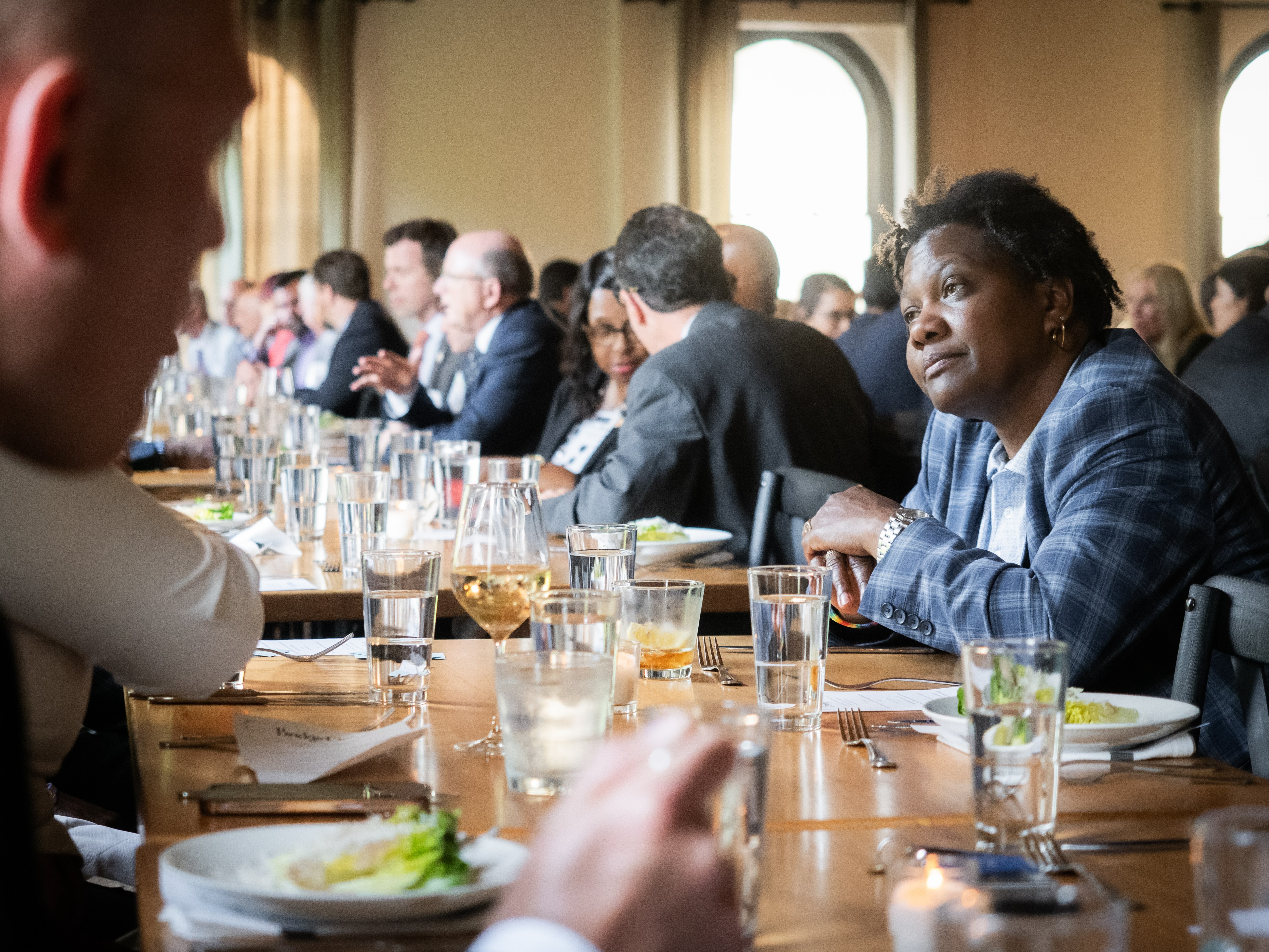
That’s particularly handy for so many North Carolina cities and towns growing at fast clips, encountering common challenges and encouraging involvement from residents in making their communities what they want. She turned again to her younger self in thinking of teens and young adults who want to speak their voices and participate in local stewardship.
“If there’s a candidate or a political party that you feel particularly passionate about, there’s always opportunities to volunteer in those spaces,” she noted. “That gives young people the opportunity to see how everything works,” with official portals as well, like the various youth seats that different city boards and commissions have available.
To enjoy the impacts she’s had the opportunity to make or assist with in her city, Forte emphasized the importance of unplugging from work and taking in the fun stuff, like city amenities, live music, and so on. “I tell folks, don’t feel bad about prioritizing yourself occasionally,” she said. "If you’re going to be effective in the role, you’ve got to take care of yourself.”
Forte added: “Any time I’m out and about and I see people enjoying being in Raleigh—you know Raleigh is frequently one of the top five or 10 best places to live, start a business, raise a family—people who start a business here and they’re thriving, families enjoying the parks system or other amenities—those things make me happy. I’m very proud of that.”

About the author
Ben Brown
Communications & Multimedia Strategist
Supports the League’s communication strategies as the in-house multimedia producer dedicated to improving awareness of membership services, advocacy campaigns, and organizational goals.
